25 Modern Professions that Profit from Botanical Comprehension
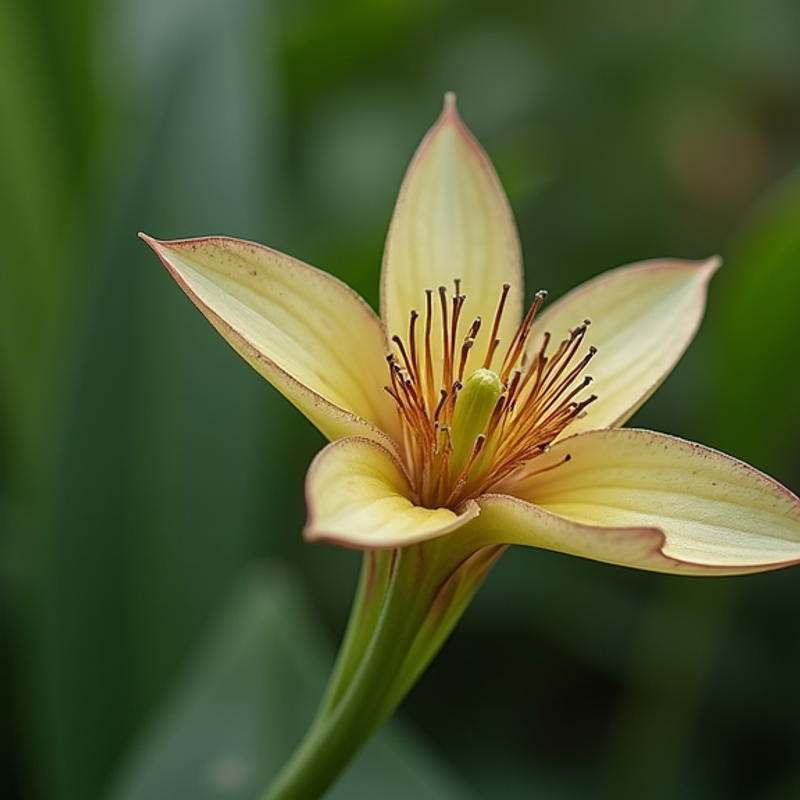

Several career paths may immensely benefit from botanical basics. Whether your desire is to enhance your knowledge base or to upgrade your competitive edge, learning how to properly identify, collect and utilize plants can offer highly profitable rewards.
Examples of professionals who may richly benefit include…
1. Apothecarists - to identify & collect plants for medicinal purposes
2. Architects - to identify structural risks of nearby tree root systems or to enhance the surrounding landscape
3. Artists (sculptors, painters, illustrators, etc.) - for inspiration, muses, subjects & themes
4. Beekeepers - to ensure the best environment for fostering honey quality
5. Cosmetic Formulators - for ethically crafting bio-based hair, skin, body, nail & cosmetic products
6. Culinary Chefs - to identify wild, rare or hard-to-find gourmet foods
7. Entrepreneurs - to identify profitable markets, products or services
8. Farmers - to identify invasive weeds or potential native crops
9. Florists - to find safe, unique and rare flora
10. Foragers - to identify food and herbs for personal, culinary, remedial or commercial utility
11. Herbalists - to identify or collect wild, rare & medicinal herbs
12. Holistic Wellness Professionals - to create solutions, treatments or uplifting visuals
13. Inventors - to create new solutions from natural resources
14. Landscapers - to expand one's botanical inventory base, identify and maximize potential profit value
15. Mental Health Advocates - to offer unique avenues of nature therapy
16. Musicians, Poets, Writers & Actors - for inspiration, role preparation, perspective expansion, intellectual depth
17. Natural Crafters & Designers - to identify sustainable plant fibers & alternative resources
18. Nature & Wildlife Photographers - for environmental safety or awareness, insights & beauty
19. Naturopathic Physicians & Medical Professionals - to identify natural remedies
20. Park Rangers - to better identify possible public hazards or risks
21. Real Estate Investors & Agents - to determine added value to properties for sale
22. Rural Authorities - to enhance environmental awareness & identify dangers
23. Teachers - to expand curriculum options, especially in fields of science
24. Plant Nursery Dealers/Owners - to ethically identify profitable wild or native plants
25. Wedding Planners - to aid with floral trends, prime outdoor venues & mitigate potential public hazards
And Bears (just kidding, they’ve already graduated!). As seen above, there are numerous professions that can become enhanced and elevated by acquiring an enhanced understanding of botanical basics. Furthermore, the possibility of profitability from plants is endless.
For instance, although previously unethical and now industrialized by modern machines in factories, the cotton plant created millionaires because it was found to be useful in the creation of clothing, bedding, bags, towels, medical supplies and more. Pine trees have been used commercially to produce timber for construction, turpentine, cleaning products, essential oils and holiday cone decorations.
Rosemary has become a highly popular and trending hair growth ingredient within hair care, with Shea nuts still holding their place as the go-to for softer skin. And endless varieties of flowers from lilies to irises have profited perfumers, candle makers, cosmetic companies, artists and the like.
Internally, the Camellia tree has provided white, green and black teas for thousands of years. Elderberry is used in many cough syrups and remedies. Both common and exotic fruits drive juice, smoothie, snack and ice cream businesses.
Potatoes—the long-time champion of root vegetables—has reigned as a restaurant, snack and dinner staple via fries, hash browns, tater tots, chips, soup chowder, dehydrated flakes and even a multi-use starch. Applying ethical harvesting and trade practices to widely available plants can sustain the survival of families while creating clean solutions for the public.
Additionally, plants serve not only singular professions but also entire industries. We rely on plants industrially as environmental aids such as trees utilized for wind breaks, as sources of energy or alternative fuels, as historical markers for scientific research and the list goes on.
Food, medicine, clothing, textiles, air purification, toys, tools, protection, privacy, buildings, board games, oral care, railroads, weapons, beauty, luxuries—these all have one thing in common. They all originate from plants! And they all can create a means of survival and make life easier for both producers and consumers!
If you're curious to learn more about the latest courses and continued education that we offer, view them HERE.
- OBIRI Enrollment Team


Comments